Breed History
The History of the Bengal Cat: From Jungle to Living Room
From a wild leopard cat in the forests of Asia to the glittered, rosetted companion curled on your sofa — the Bengal is one of the youngest and most remarkable breeds in the feline world.
A wild beginning
Every Bengal alive today traces back, however distantly, to the Asian leopard cat (Prionailurus bengalensis) — a small, shy, beautifully spotted wild feline that ranges from India across Southeast Asia. For most of history, these cats lived far from people, in forests and mangroves, hunting at dusk and disappearing at the first sign of trouble.
That began to change in the middle of the twentieth century, when a handful of breeders and cat lovers started asking a quiet, persistent question: could the wild beauty of the leopard cat be combined with the gentle temperament of a domestic cat?
The first hybrids
The earliest recorded crosses were little more than curiosity. In the 1960s, Jean Sugden Mill of the United States deliberately paired an Asian leopard cat with domestic cats, then bred the descendants back to domestic stock for temperament and consistency. The kittens that resulted carried the spotted coat of their wild parent but, with each generation, grew softer and more devoted in personality.
Others followed — doctors, breeders and hobbyists across several continents — and the early cats were known by many names. It was the work of those persistent few, breeding carefully and honestly, that turned a one-time experiment into a recognizable, stable type.
"The goal was never to keep a wild cat in the house. It was to bring a wild cat's beauty — and none of its fear — home."
Recognition
The name Bengal comes from the scientific name of the leopard cat, and by the 1980s the breed had begun to find an audience. The International Cat Association granted Bengal championship status in 1991 after years of careful breeding and evaluation. Today, Bengals are recognized by registries around the world and rank among the most popular spotted breeds.
True to that origin, most registries require show Bengals to be at least four generations removed from the wild ancestor. Those generations — called F4 and beyond — are the Bengals you meet as companions: confident, athletic, deeply bonded and entirely domestic in temperament.
What makes a Bengal a Bengal
Generations of selection have settled the Bengal into a recognizable type: a long, athletic body, a wedge-shaped head with high cheekbones, and above all that extraordinary coat. Rosettes and spots, horizontal flow, and the rare, much-admired "glitter" that makes a Bengal's coat catch the light like crushed silk. Beneath the coat is a cat that is bright, curious and endlessly active — more than a pretty picture.
The Bengal today
From that single crossing decades ago, the Bengal has become a modern classic — a cat that brings the silhouette of the wild into the heart of a home. At Tiny Tigress, we honor that origin in everything we raise: bold, glittered coats, healthy, well-socialized temperaments, and the kind of personalities that make Bengal people, well, Bengal people for life.
See the kittens of the current litter
Every Tiny Tigress kitten is raised in our home, with the same care you’ve been reading about. Meet the ones looking for theirs.
Meet the current litterMore from the Journal
View all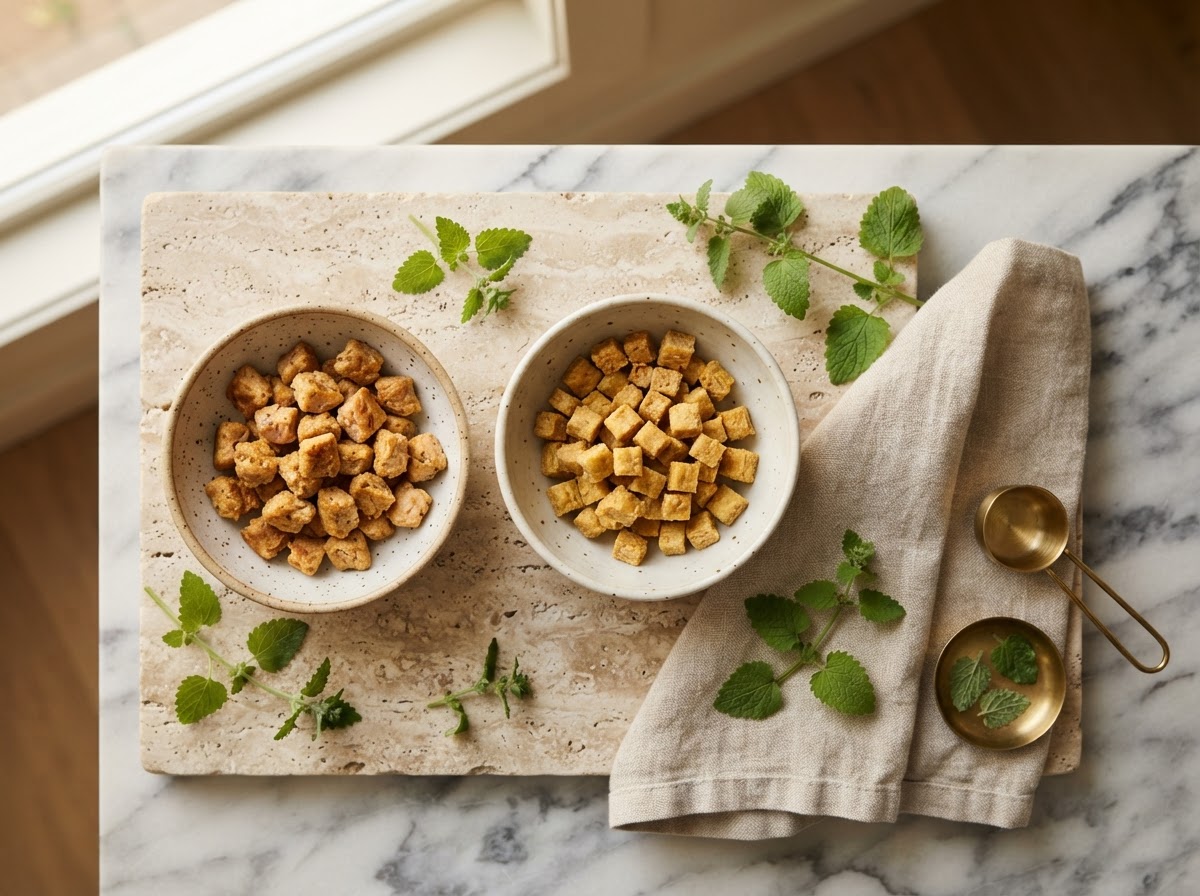
Homemade Cat Treats: 3 Simple Recipes Your Bengal Will Love
A little kitchen time, a few simple ingredients and a very happy Bengal. These three recipes are easy to make, easy to store and easy to love.
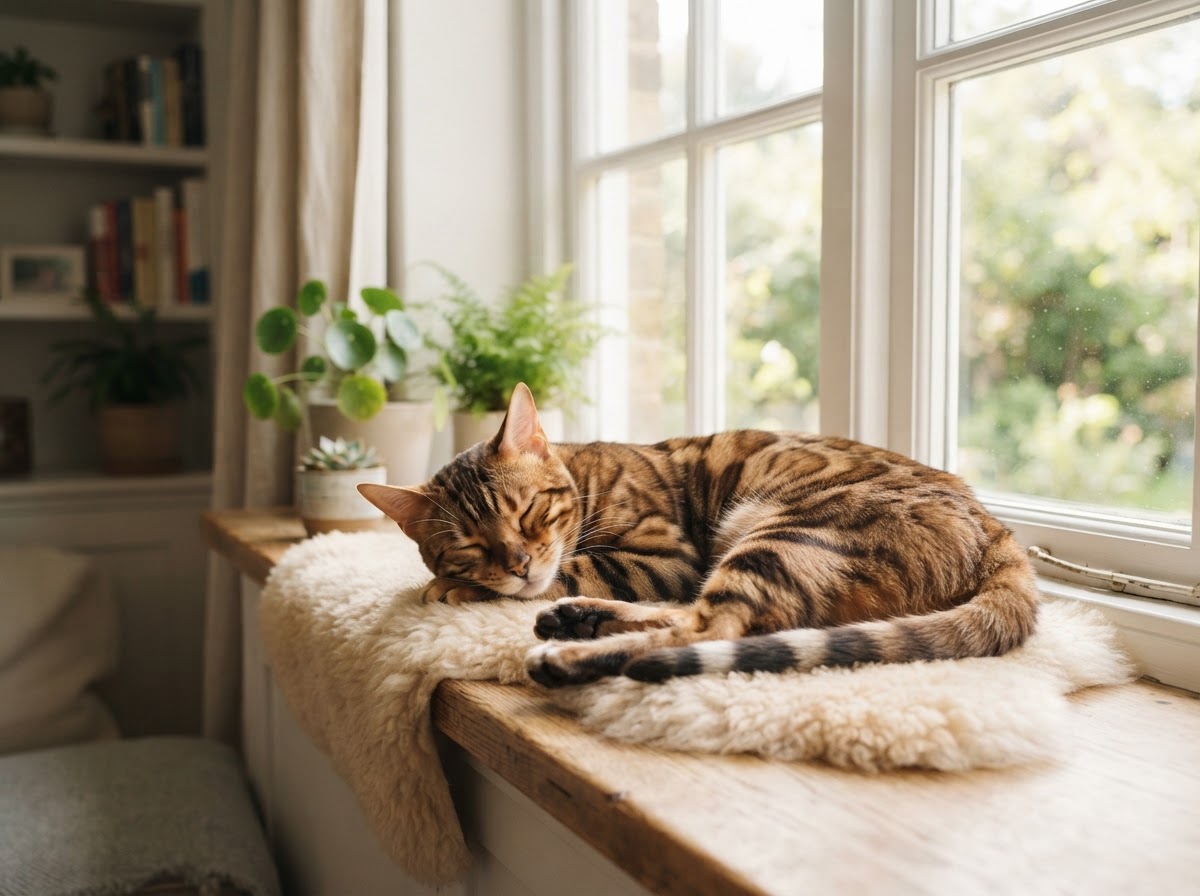
How Long Do Bengal Cats Live? A Guide to a Longer, Healthier Life
A well-bred Bengal can be a companion for 14 to 18 years. The gap between a good, long life and a great one is mostly built from ordinary, daily habits.
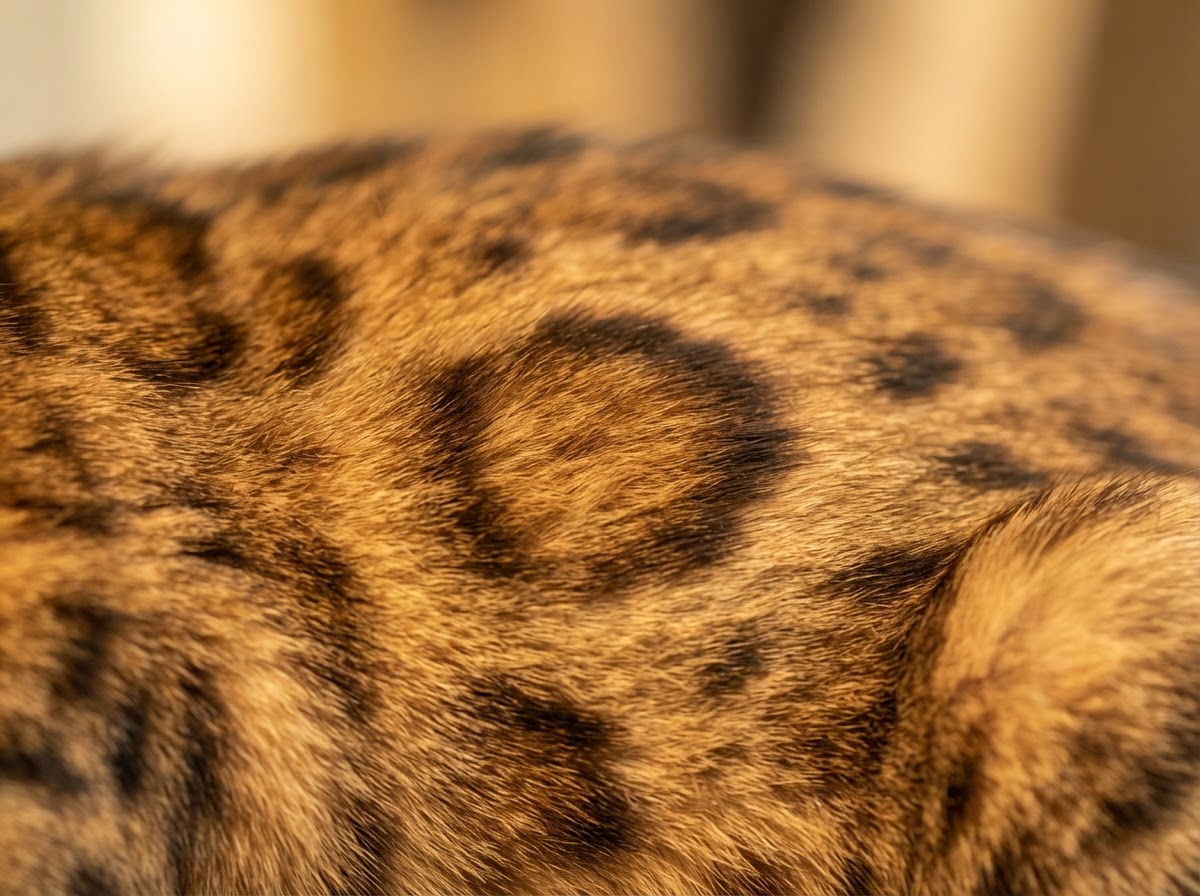
Rosettes, Spots & Glitter: Understanding the Bengal Coat
The Bengal coat is the most instantly recognizable feature of the breed — and the one that continues to surprise even people who have lived with Bengals for years.