Health & Longevity
How Long Do Bengal Cats Live? A Guide to a Longer, Healthier Life
A well-bred Bengal can be a companion for 14 to 18 years. The gap between a good, long life and a great one is mostly built from ordinary, daily habits.
How long do Bengals live?
With good care, Bengals commonly live 14 to 18 years, and many reach their late teens. As a relatively young breed with a broad genetic base, they tend to be sturdy, athletic cats — but longevity is never an accident. It is the sum of genetics, nutrition, preventative care and a home that keeps them both safe and engaged.
Start with a healthy kitten
A long life begins before you bring a kitten home. Reputable breeders test their breeding cats for the conditions known to affect Bengals — most notably hypertrophic cardiomyopathy (HCM), a heart disease, and progressive retinal atrophy (PRA), a hereditary eye condition. They also vaccinate, deworm and socialize kittens well before they leave. If you're shopping for a Bengal, asking about HCM and PRA screening is the single most meaningful question you can ask.
The pillars of a long Bengal life
1. A species-appropriate diet
Bengals are energetic, muscular cats with fast metabolisms. A high-protein, moisture-rich diet — ideally wet food as the foundation — supports lean muscle, healthy kidneys and a glossy coat. Keep dry food as a complement, not the whole story, and always measure rather than free-feeding, because Bengal enthusiasm for the bowl can quietly lead to weight gain.
2. Hydration
Cats, even water-curious Bengals, are famously poor drinkers. A cat water fountain encourages regular drinking, and moisture-rich food does the rest. Good hydration protects the kidneys and the urinary tract, two systems that quietly determine longevity in cats.
3. Real daily exercise
A tired Bengal is a happy Bengal — and, it turns out, a longer-lived one too. Thirty active minutes a day with a wand toy, a laser pointer or a fetch-obsessed Bengal keeps weight off, joints loose and minds sharp. Bengals are built to move; a home that lets them climb, leap and sprint is a home that keeps them well.
4. Preventative veterinary care
- Annual exams through middle age, then twice-yearly from about age 8.
- Vaccinations tailored to your cat's lifestyle and your vet's guidance.
- Dental care — dental disease is one of the most under-recognized threats to a cat's lifespan. Brush when you can, and schedule cleanings as recommended.
- An annual heart listen, and an echocardiogram when appropriate, to catch HCM early.
5. A safe, enriching home
Indoor Bengals live markedly longer than outdoor ones — the gap is years, not months. Keep your Bengal indoors or in a secure enclosure, give them vertical space to climb, rotate their toys, and lean into their intelligence with training. A bored Bengal finds trouble; an engaged Bengal thrives.
Watch the quiet signals
Cats hide illness expertly. Get to know your Bengal's normal — their appetite, their water intake, their play energy, their weight — and act quickly on changes. Subtle weight loss, a litter box shift or a quieter day can be the first whisper of something treatable.
The long view
There is no secret to a long Bengal life. There is only a healthy kitten, a thoughtful home, a good vet and the daily, deliberate habits — fresh water, play, weight watching, love — that turn a decade and a half into eighteen good years. We raise our kittens with exactly that horizon in mind.
See the kittens of the current litter
Every Tiny Tigress kitten is raised in our home, with the same care you’ve been reading about. Meet the ones looking for theirs.
Meet the current litterMore from the Journal
View all
The History of the Bengal Cat: From Jungle to Living Room
From a wild leopard cat in the forests of Asia to the glittered companion on your sofa — the Bengal is one of the youngest, most remarkable breeds in the feline world.

Homemade Cat Treats: 3 Simple Recipes Your Bengal Will Love
A little kitchen time, a few simple ingredients and a very happy Bengal. These three recipes are easy to make, easy to store and easy to love.
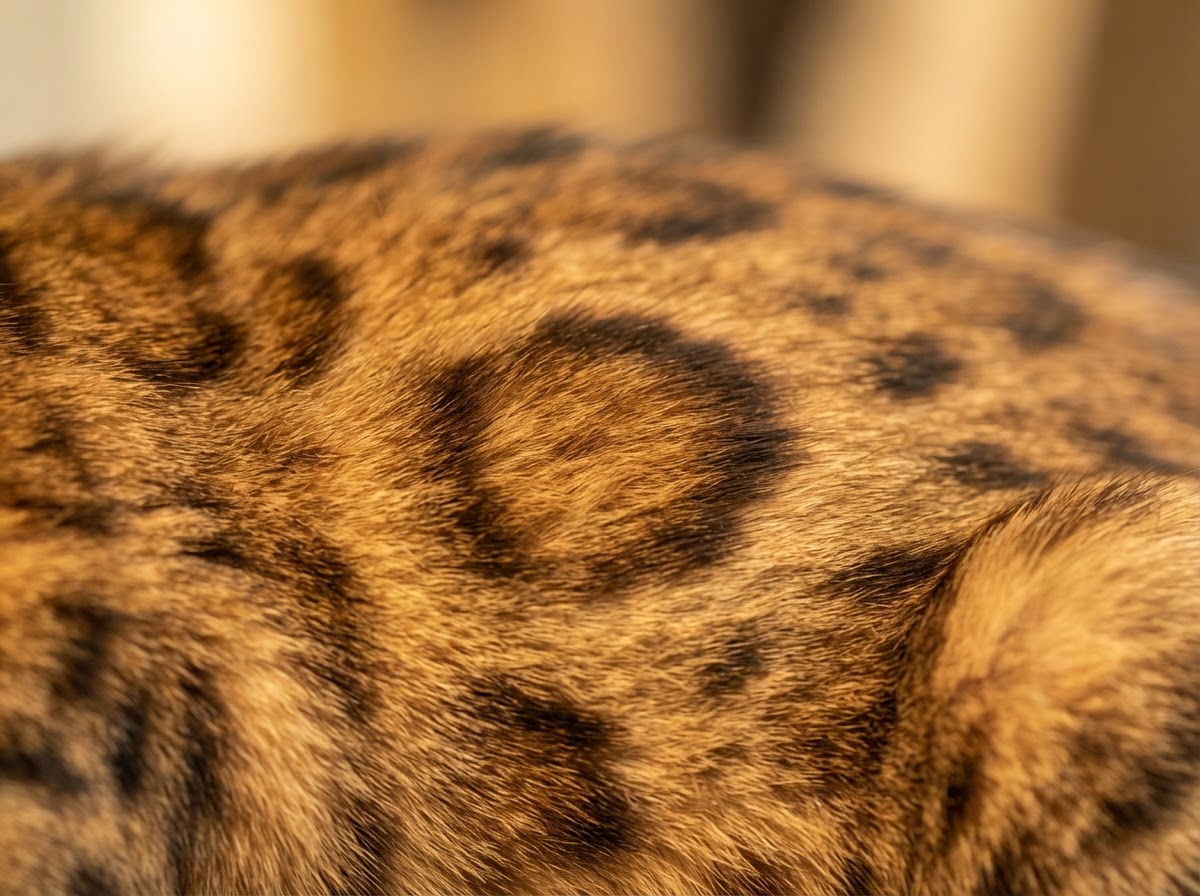
Rosettes, Spots & Glitter: Understanding the Bengal Coat
The Bengal coat is the most instantly recognizable feature of the breed — and the one that continues to surprise even people who have lived with Bengals for years.