Breed Type
Rosettes, Spots & Glitter: Understanding the Bengal Coat
The Bengal coat is the most instantly recognizable feature of the breed — and the one that continues to surprise even people who have lived with Bengals for years.
Walk past a Bengal in good light and you notice it before anything else: a low-slung, athletic body wrapped in a coat that seems almost too detailed to be real. The markings are not random. They are the visible record of generations of selective breeding for a specific, ancient kind of beauty — the kind found on a wild leopard cat moving through dappled shade.
The two big families: spotted and marbled
Bengal coats come in two broad patterns. Spotted Bengals wear individual marks of color — round, oval, paw-print or arrowhead — scattered across a contrasting ground. Marbled Bengals carry flowing, horizontal swirls that recall a clouded leopard or a rolled marble. Both are recognized for show and both are spectacular; which you love is a matter of taste.
Rosettes versus spots
A spot is a single mark. A rosette is something more: a mark made of two shades, with a darker outline ringing a lighter center. Rosettes are the closest domestic echo of a wild leopard's coat, and they are what most breeders are working toward. Rosette shapes get their own vocabulary — arrowhead, donut, pawprint, cloud — and a well-rosetted Bengal shows them in clean, high-contrast rows.
Horizontal flow
Good Bengal markings aren't just about the shape of each mark — they're about the way the marks move. Breeders prize a strong horizontal flow, the sense that the pattern streams back along the cat's body the way it does on a wild leopard cat, rather than breaking up into a random, vertical "tweed." It's a subtle thing to describe and an obvious thing to see: on a well-marked Bengal, the coat reads like motion even when the cat is standing still.
Contrast and clarity
A great coat needs crisp definition — the ground color and the markings should sit apart from each other, not bleed together. Sharper contrast tends to show best against a clear, light ground, which is part of why silver Bengals read so dramatically: pale ground, dark rosettes, almost nothing in between.
Glitter — the finishing touch
Then there's the glitter: a fine, pearl-like sheen across the coat that catches the light like crushed silk or a dusting of mica. Not every Bengal has it, and it doesn't show in every photo, but in person it is unmistakable — and almost irresistible. Glitter is a recessive trait, passed down selectively, and it's one of those small luxuries a careful breeding program works to keep.
The colors and the grounds
Bengal markings sit on a handful of recognized ground colors: brown, silver, snow (a pale, creamy series), and a range of specialty tones. A brown rosetted Bengal glows warm and golden. A silver rosetted Bengal reads cool and high-contrast, almost black-and-white in strong light. Snow Bengals, in their sepia and lynx variants, are softer and more atmospheric.
What we look for
At Tiny Tigress, our queens and our sire were chosen for coat first — Raja for his bold, high-contrast silver rosettes, Natasha for her warm, golden brown, Sasha for her soft, charcoal-touched silver — and for the clean, horizontal flow that runs through all three. The kittens they produce carry that same vocabulary forward, each with their own variation on a very old idea of beauty.
See the kittens of the current litter
Every Tiny Tigress kitten is raised in our home, with the same care you’ve been reading about. Meet the ones looking for theirs.
Meet the current litterMore from the Journal
View all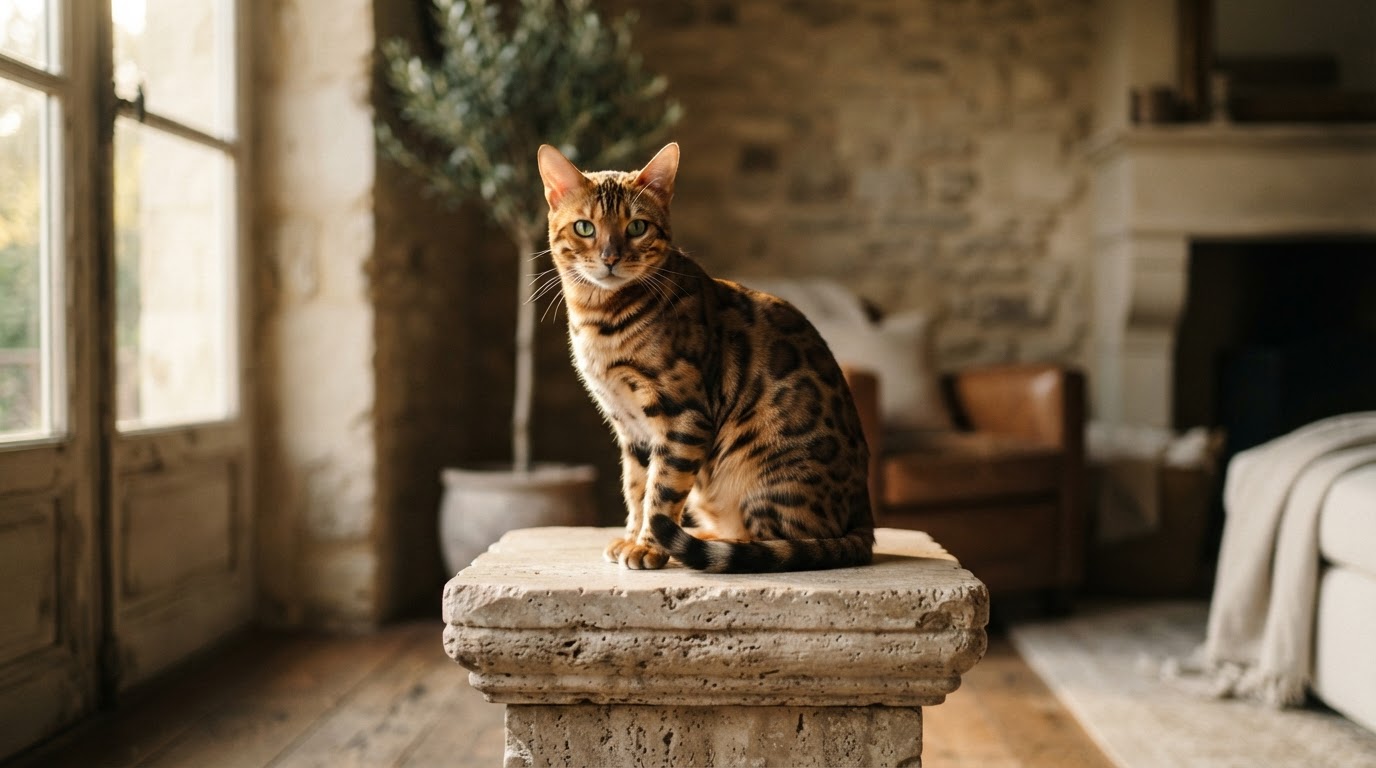
The History of the Bengal Cat: From Jungle to Living Room
From a wild leopard cat in the forests of Asia to the glittered companion on your sofa — the Bengal is one of the youngest, most remarkable breeds in the feline world.
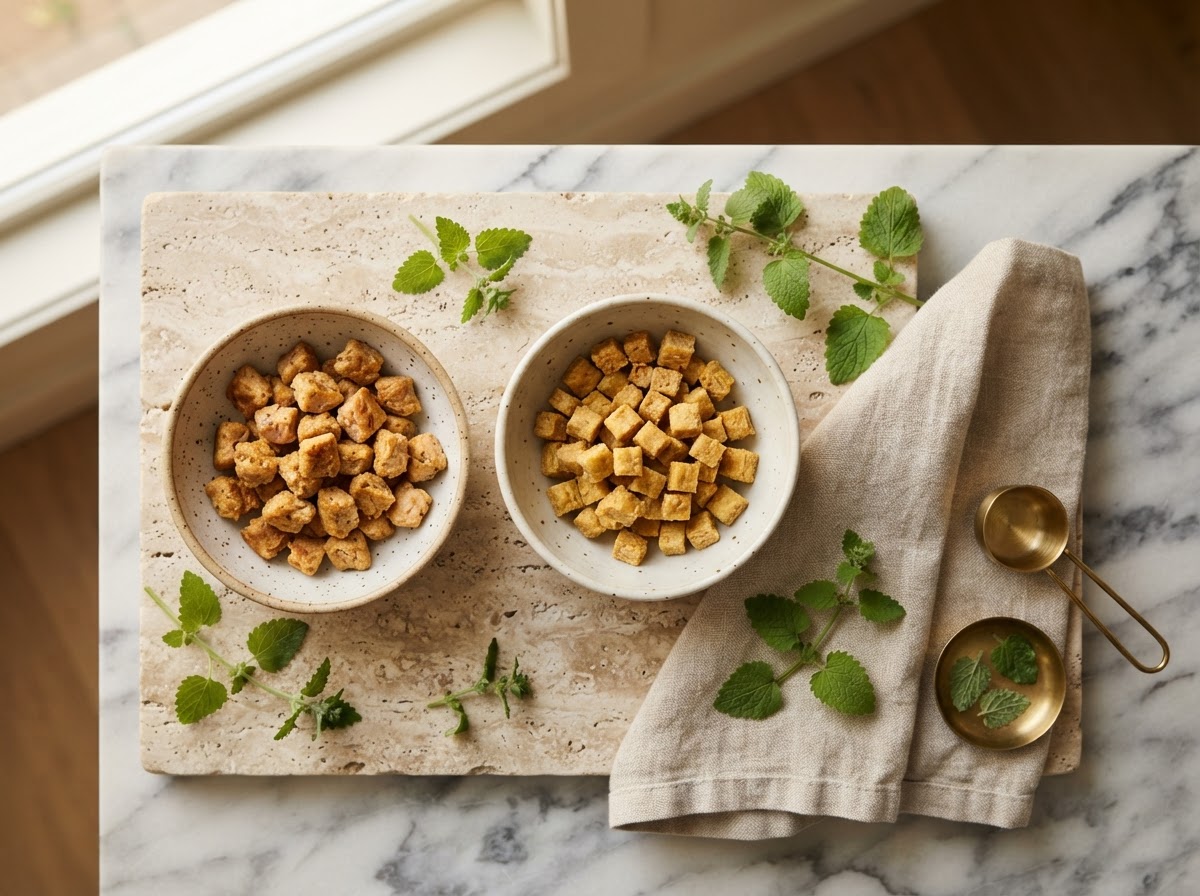
Homemade Cat Treats: 3 Simple Recipes Your Bengal Will Love
A little kitchen time, a few simple ingredients and a very happy Bengal. These three recipes are easy to make, easy to store and easy to love.
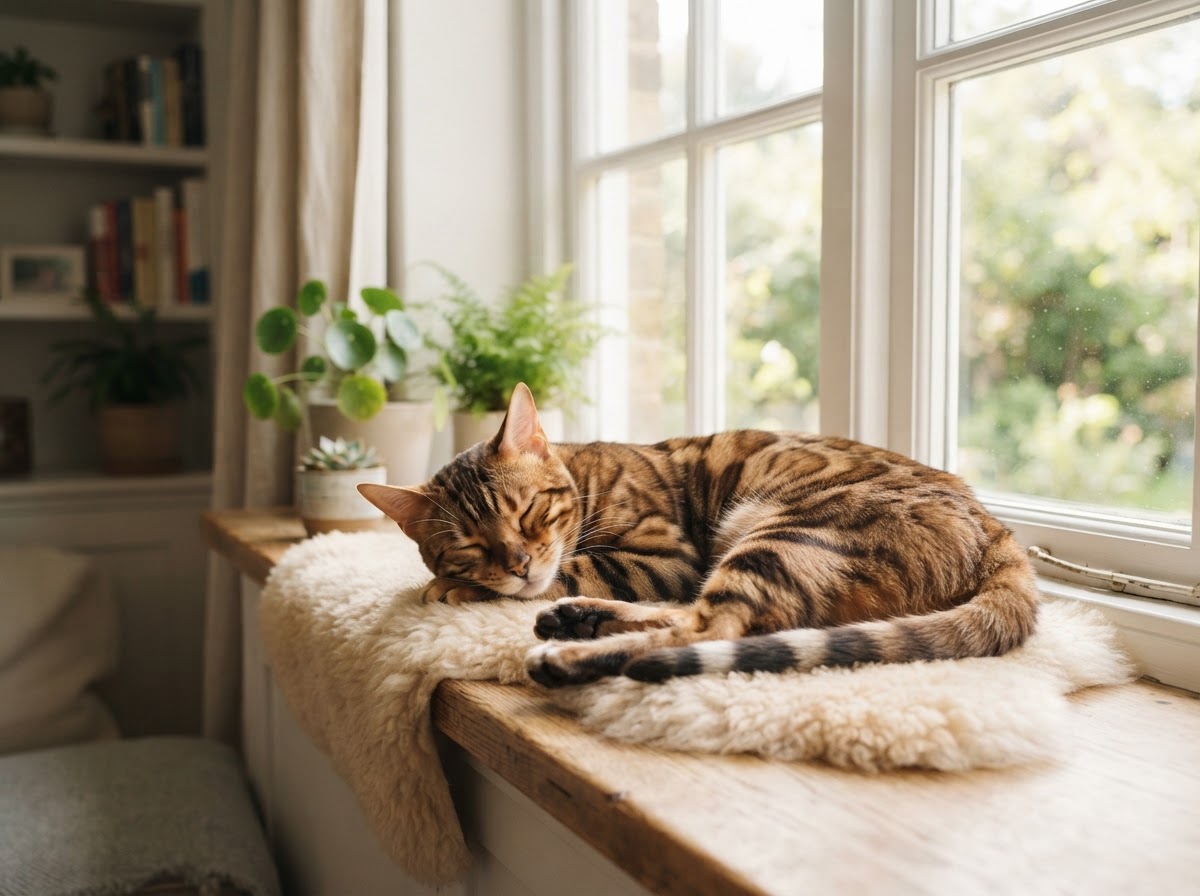
How Long Do Bengal Cats Live? A Guide to a Longer, Healthier Life
A well-bred Bengal can be a companion for 14 to 18 years. The gap between a good, long life and a great one is mostly built from ordinary, daily habits.