Breed Guide
Bengal Cat Personality & Temperament: Is a Bengal Right for You?
Bengals are not for everyone — and that's the point. Here's an honest look at what it's actually like to live with one of the most intelligent, energetic cats in the world.
People fall for the Bengal coat first and the Bengal personality second. The coat is what catches the eye across a room. The personality is what makes Bengal people, as a rule, never go back to another breed. But the Bengal temperament is specific, and the best homes for Bengals are the ones that understand it going in.
Athletic and endlessly curious
Bengals are, in a word, busy. They are one of the most active cat breeds — long, muscular and built to climb, leap and sprint. A Bengal at rest is a Bengal storing energy for the next expedition across the top of your bookshelves. They need real, daily exercise and vertical space: tall cat trees, shelves to climb, a home designed for a cat that thinks it lives at the zoo.
Startlingly smart
Bengals are problem-solvers. They learn routines, they learn tricks, they learn which cabinet holds the treats and exactly how that latch works. Many Bengals play fetch with the same intensity as a retriever. They can be clicker-trained, harness-trained and taught to walk on a leash — and given how clever they are, that enrichment is not a luxury; it's a need. A bored Bengal is a destructive Bengal. A challenged Bengal is a delighted one.
Vocal, but not noisy
Bengals "talk." They chirp, trill and rumble, and they have opinions — about meals, about play, about your return home — that they will share at volume. They are not the silent, self-contained cats of some breeds. If you find their conversation charming, it is one of the great pleasures of the breed. If you prefer a quieter home, it is worth knowing in advance.
Affectionate and bonded
For all their wild intensity, Bengals are deeply affectionate cats. They pick a person — sometimes a whole family — and attach completely. They greet you at the door, they follow you from room to room, they want to be where you are. They are not aloof cats content to be admired from across the house. They want to be part of the household, and they will make that very clear.
Great with the right family
With proper socialization — which is exactly what we raise our kittens for — Bengals do beautifully with children who are gentle and with cat-savvy dogs. They are sturdy, confident and social. The key is the early weeks: a Bengal raised with handling, routine and calm, kind attention grows into a cat that trusts the world.
Is a Bengal right for you?
A Bengal thrives in a home that has the time and the appetite for an active, intelligent, present cat. They are a poor fit for someone who wants an ornamental pet that sleeps away the day. They are a spectacular fit for someone who wants a companion — a real, involved, opinionated, affectionate companion — with the most beautiful coat in the domestic cat world.
At Tiny Tigress, we raise our kittens to be exactly that: Bengals with the looks people fall for and the temperament that makes them stay. If that sounds like the cat for you, we'd love to introduce you to one of ours.
See the kittens of the current litter
Every Tiny Tigress kitten is raised in our home, with the same care you’ve been reading about. Meet the ones looking for theirs.
Meet the current litterMore from the Journal
View all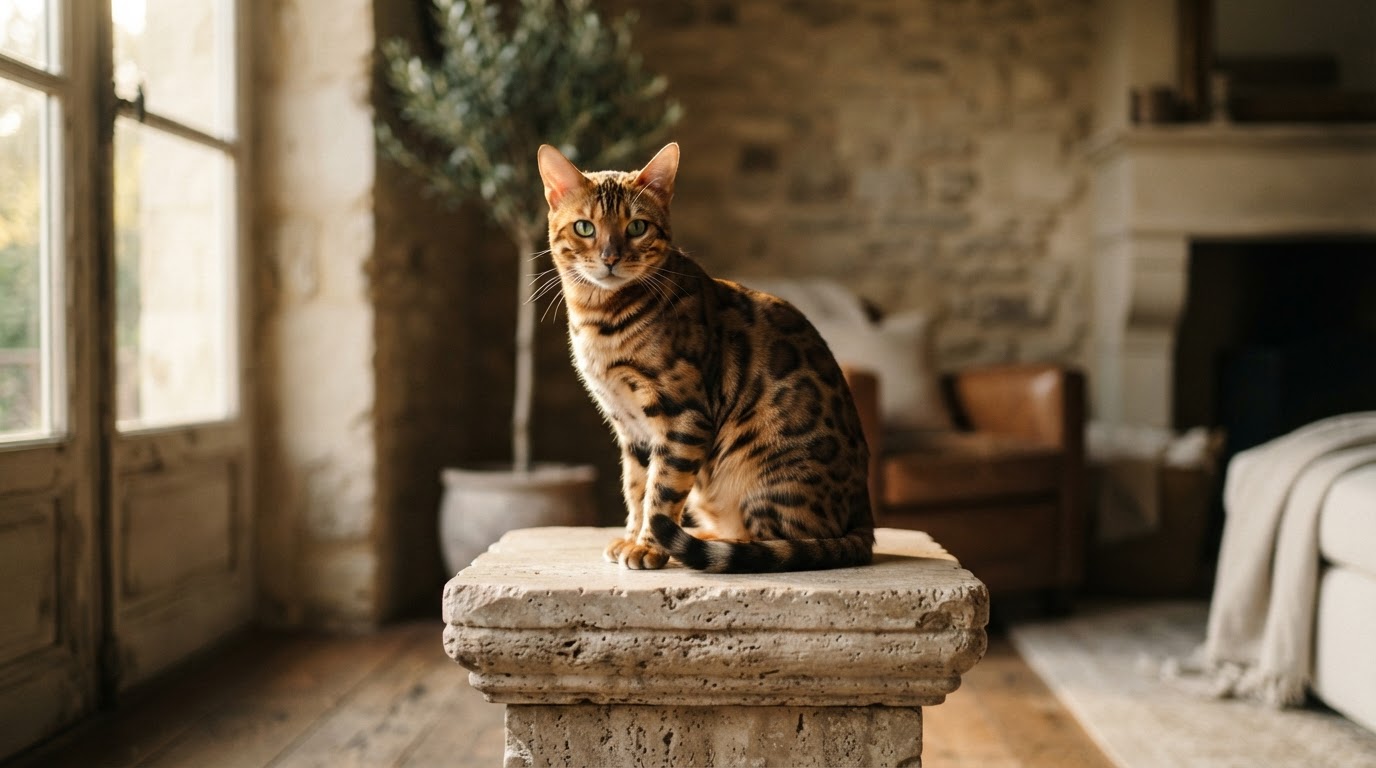
The History of the Bengal Cat: From Jungle to Living Room
From a wild leopard cat in the forests of Asia to the glittered companion on your sofa — the Bengal is one of the youngest, most remarkable breeds in the feline world.

Homemade Cat Treats: 3 Simple Recipes Your Bengal Will Love
A little kitchen time, a few simple ingredients and a very happy Bengal. These three recipes are easy to make, easy to store and easy to love.
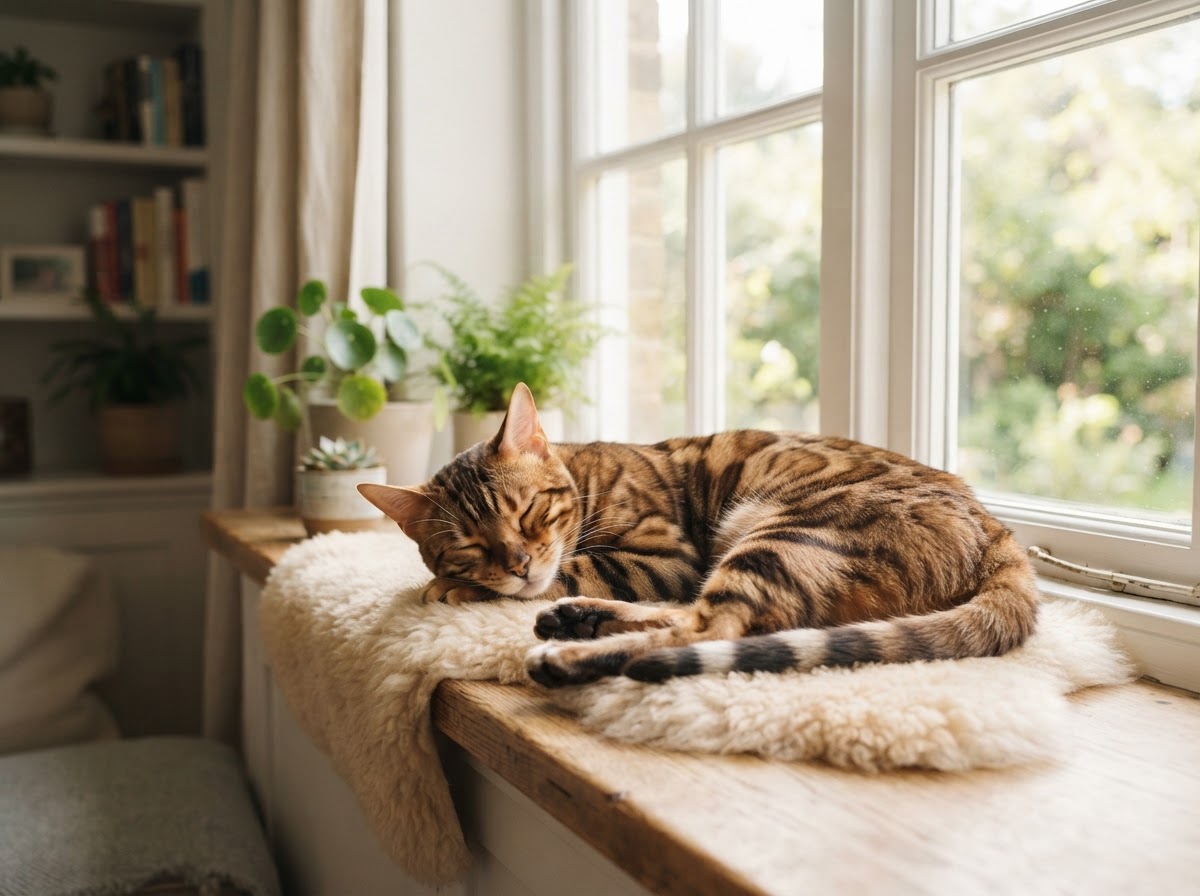
How Long Do Bengal Cats Live? A Guide to a Longer, Healthier Life
A well-bred Bengal can be a companion for 14 to 18 years. The gap between a good, long life and a great one is mostly built from ordinary, daily habits.